If you are drawn to Siesta Key’s sugar-white sands but unsure which part of the island fits your daily rhythm, you are not alone. Buyers often juggle beach access, boating, walkability, and rules that can affect rentals and insurance. This guide helps you compare the core lifestyles on Siesta Key and the tradeoffs behind each choice, so you can buy with clarity and confidence. Let’s dive in.
Siesta Key at a glance
Siesta Key is an eight-mile barrier island between Sarasota Bay and the Gulf of Mexico with three main beaches and two village hubs for dining and shopping. The gulf side concentrates public beaches and many beachfront condos, while the bay side and interior canals offer protected water and docks. A free trolley connects key destinations and makes car-optional living easier near the Village. You can get a feel for the layout with the Siesta Key Chamber’s helpful island maps and orientation.
Match lifestyle to home type
Beachfront and gulf-front condos
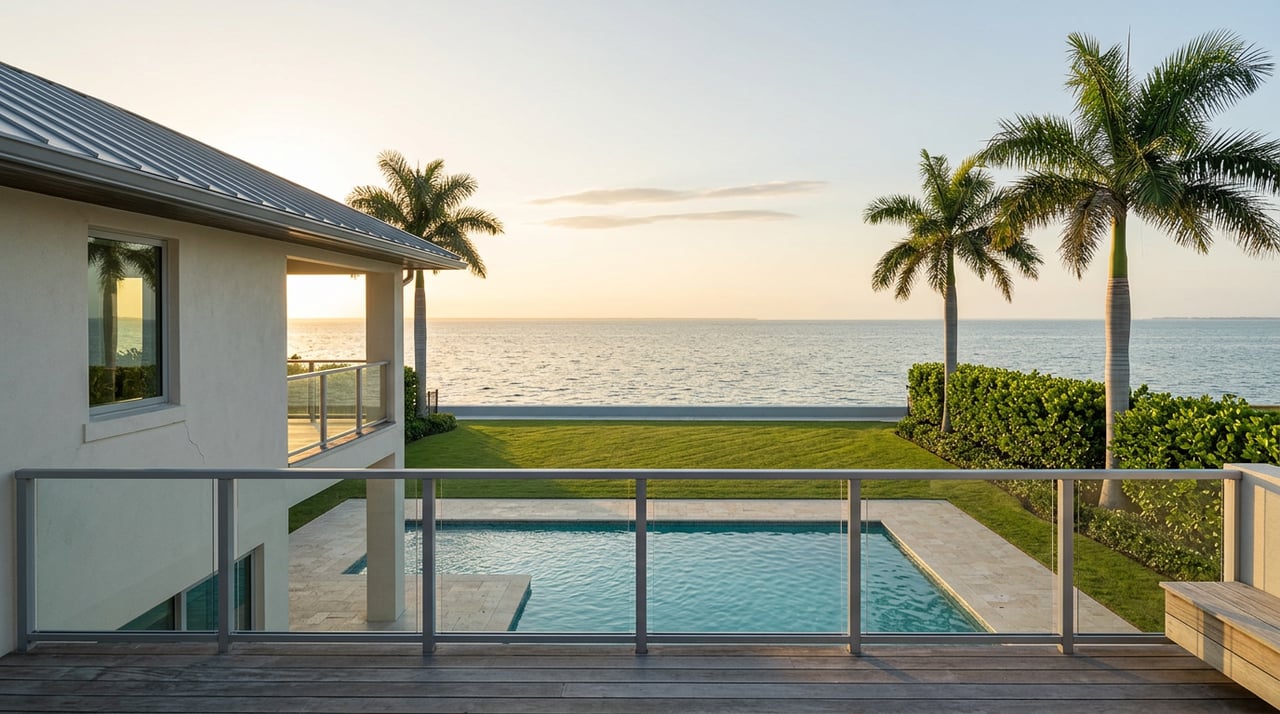
If you want to step onto Siesta Beach or Crescent Beach with minimal upkeep, beachfront and gulf-front condos are a strong fit. Buildings often provide on-site management and amenities that make seasonal or lock-and-leave living simple. Expect higher HOA fees and the possibility of special assessments after storms, along with higher flood and insurance costs for lower floors. Gulf-front units typically command the top tier of local pricing.
Village-adjacent condos and cottages
If walkability, dining, and a lively social rhythm top your list, focus on smaller condo buildings and renovated cottages within a short stroll of Siesta Key Village. Many owners enjoy a car-light routine thanks to restaurants, shops, and trolley access nearby. The tradeoff is seasonal street congestion and tighter parking, so verify assigned stalls and guest-parking rules in the HOA. Take a look at the Chamber’s Village context and connections as you evaluate.
Canal-front single-family homes for boaters
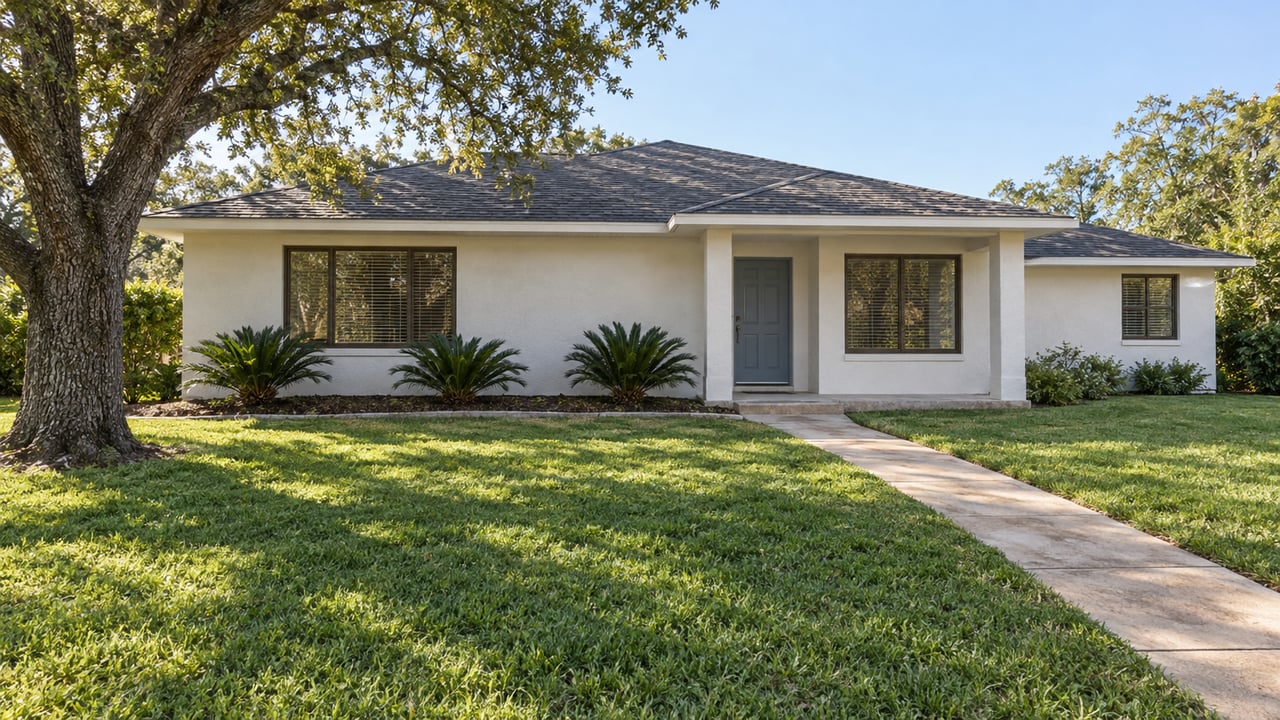
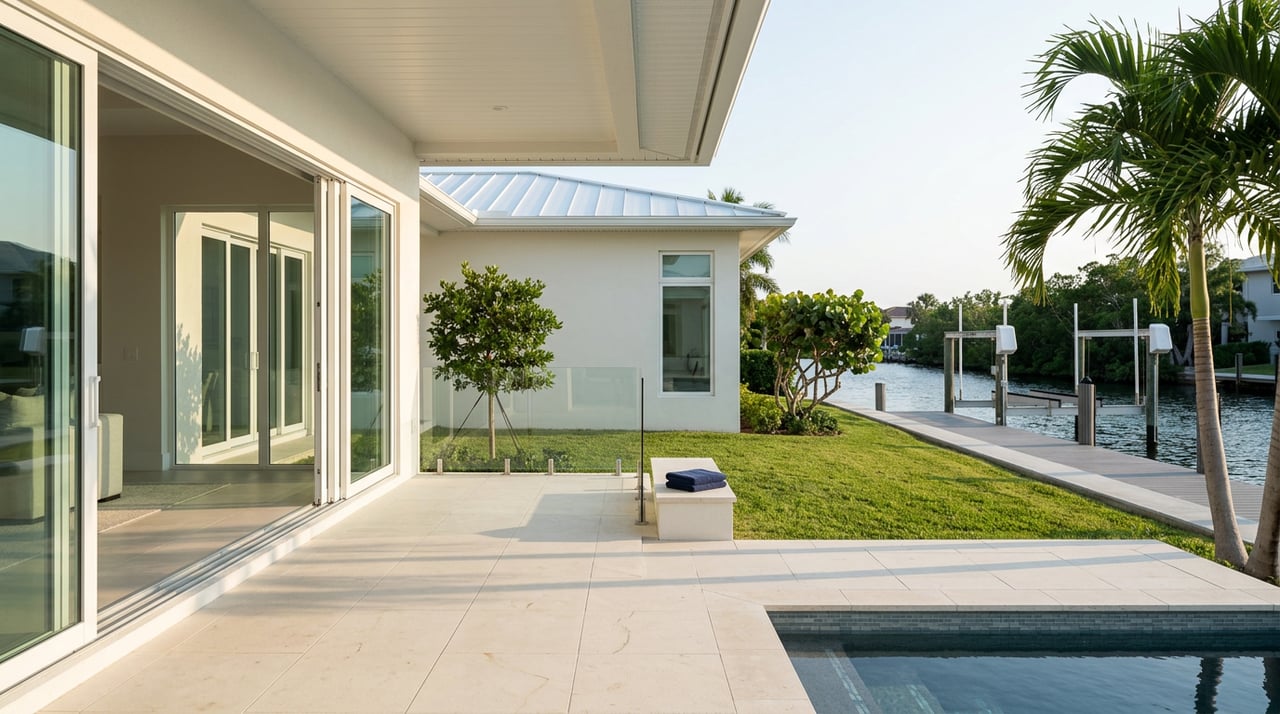
If boating access and private outdoor space matter most, canal and bayou homes on the north end and around Roberts Bay are compelling. Many properties include docks and lifts, and some canals have fewer fixed bridges that allow quicker routes to the Intracoastal. You will take on full responsibility for seawall, dock, and yard maintenance, and you should confirm whether the home is on public sewer or septic. Plan to review permits and maintenance history during due diligence.
South-end pockets near Turtle Beach
If you prefer quieter stretches of sand and proximity to local boat ramps, the south end around Turtle Beach and Crescent Beach may be ideal. You will find a mix of modest single-family homes and smaller condo communities, plus easy access to Turtle Beach Park. Beach renourishment or repair work occasionally brings project traffic and short-term changes to access. For ramp details, explore the Turtle Beach area boat-ramp listings.
Rules and risks that shape your choice
Short-term rental rules vary by zone
Siesta Key sits within both Sarasota County and a small City of Sarasota area, and rental rules differ by jurisdiction and zoning. Sarasota County restricts many short stays in single-family zones and limits rentals under 30 days unless specific multi-family zoning allows shorter terms. Portions within the City of Sarasota also require registrations and compliance with minimum-stay rules. Before assuming rental income, confirm the parcel’s zoning and any registration requirements using the county code and local guidance from the Realtor association’s summary of vacation-rental rules and the county’s zoning definitions and STR language.
Flood zones, elevation, and insurance
Many gulf-facing and canal properties fall within Special Flood Hazard Areas, which can trigger mandatory flood insurance with most mortgages. VE zones carry higher wave and velocity risks and stricter construction standards, so it is essential to get an elevation certificate and the seller’s flood-insurance history. You can look up a property’s FEMA flood zone by address through the FEMA Flood Map Service Center. For homeowners coverage, coastal properties often face higher wind deductibles, and some buyers rely on Citizens if private carriers decline coverage, so obtain quotes early through Citizens Property Insurance.
Evacuation and daily access
As a barrier island community, much of Siesta Key is in a high-priority evacuation area for storm surge. Bridge access points can back up during peak times or emergency movements, which affects daily convenience and storm planning. Verify the evacuation zone for any address and discuss practical routes for both everyday trips and storm scenarios. You can confirm property records and evacuation notices through the Sarasota County Property Appraiser.
Seawalls, docks, and coastal projects
Marine structures require permits and ongoing maintenance, and coastal projects can alter shorelines over time. Ask for seawall and dock permits, repair invoices, and any engineering reports. It is also wise to ask whether the area has been part of a renourishment or inlet-management plan. For background on environmental permitting and coastal regulation, review Florida’s Chapter 403 environmental control statutes.
Utilities, septic, and everyday costs
On small coastal lots, septic systems can carry inspection and replacement costs, and some neighborhoods transition to public sewer over time. Confirm whether a property is connected to public water and sewer or relies on septic and a private well. The county can verify utility status for any parcel. Start with the Sarasota County Property Appraiser’s parcel tools.
Parking, traffic, and the free trolley
The Village area hums during high season, and parking gets tight near public beach entries. Many owners and guests ride the free Siesta Key Breeze trolley to move around without a car. If walkability and parking are must-haves, confirm assigned parking at your building and ask about seasonal traffic patterns. For context on how the trolley came to life, read this local history of the Siesta Key Breeze trolley.
HOA health for lock-and-leave living
Condos can deliver convenient, low-maintenance living with on-site care and amenities. The tradeoff is association fees and the need to trust the building’s reserves, management, and insurance. Always request current HOA financials, reserve studies, meeting minutes, master insurance certificates, and rental rules. Check for planned capital projects or special assessments that could affect near-term costs.
Decision guide: choose your Siesta Key lifestyle
- If you want instant beach access and easy upkeep: Focus on beachfront or Village-adjacent condos. Confirm your building’s rental policy, FEMA flood zone by floor, and assigned parking. Use the Chamber’s island maps as you narrow locations.
- If you want boating and a private dock: Target north-end canals and Roberts Bay homes. Verify seawall and dock permits, maintenance history, and whether there are no-bridge or limited-bridge routes to the Intracoastal. Confirm sewer versus septic.
- If you want true lock-and-leave living: Lean toward managed condo buildings with strong reserves and on-site management. Ask for full HOA documentation and insurance details. Make sure any rental model you expect is allowed.
- If you want a quieter, more private setting: Consider interior single-family pockets away from main beach access roads. Confirm evacuation zone, utility connections, and potential traffic patterns to your regular destinations. Balance yard and seawall maintenance with your desired level of upkeep.
Due-diligence checklist to use with your agent
- Parcel basics: What is the parcel’s zoning, FEMA flood zone, and current utility status (public sewer vs. septic)? Confirm with the Sarasota County Property Appraiser and FEMA Flood Map Service Center.
- Flood and elevation: Is there a current elevation certificate? Has the property held a flood policy in the last five years, and at what premium? Request insurance declarations and claims history, and get independent quotes, including from Citizens Property Insurance.
- Hurricane readiness and access: Which evacuation zone is the property in, and what are realistic routes for both daily life and a storm evacuation? Use county resources via the Property Appraiser’s site.
- Short-term rentals: Is the property legally eligible for short-term rentals, and what minimum stays apply? Confirm the parcel’s zoning and any required registrations using the county’s zoning definitions and the Realtor association’s city-wide vacation-rental update.
- Seawall and dock history: Request permits, repair invoices, any engineer’s reports, and clarity on whether structures are grandfathered or subject to assessments. Reference Florida’s environmental control statutes for permitting context.
- HOA and building health: Request CC&Rs, bylaws, last 12 months of meeting minutes, current budget, reserve study, master insurance declarations, and any special assessment notices.
- Market comparables and timing: Review recent nearby closed sales and days on market to understand value and pace. Align this with your financing, inspection, and insurance quote timelines.
- Utilities and costs: Confirm providers for water, sewer, and trash, and ask about any scheduled sewer conversions in the neighborhood. Start with the Property Appraiser’s parcel search.
- Insurance pre-check: Get pre-quotes for homeowners and flood coverage early in the process, and compare NFIP and private options. Include a check with Citizens Property Insurance if needed.
Work with a local advocate
Choosing your ideal Siesta Key lifestyle comes down to a few clear priorities: beach, boating, walkability, or privacy. The right property will fit your rhythm while matching the island’s rules and risks. A local, concierge-level team can help you pressure-test options, line up insurance quotes, and source opportunities that never hit the market. If you are ready to refine your plan, connect with the Greco team today at the Karen Greco Branded Site -.
FAQs
What are the main areas buyers consider on Siesta Key?
- Buyers often compare gulf-front condos near Siesta Beach, Village-adjacent condos and cottages, canal-front homes for boating on the north end, and quieter south-end pockets near Turtle Beach. Get island context from the Chamber’s maps and area overview.
How do short-term rental rules affect a Siesta Key purchase?
- Rental rights depend on zoning and whether a home is in Sarasota County or the City of Sarasota. Many single-family zones limit stays under 30 days, and city areas require registrations. Review the county’s zoning and STR definitions and the Realtor association’s summary of current rules before assuming weekly rental income.
How can I check a property’s flood zone on Siesta Key?
- Use the FEMA Flood Map Service Center to search by address and review the FIRM panel and flood zone. Ask for an elevation certificate and the seller’s flood-insurance history, then obtain quotes for both homeowners and flood coverage early.
What should boaters look for in canal-front homes?
- Confirm bridge clearance and routes to the Intracoastal, and request permits and maintenance records for seawalls, docks, and lifts. Ask about utility status and any upcoming neighborhood work. For permitting context, see Florida’s Chapter 403 environmental control statutes.
How can I get around Siesta Key without a car near the Village?
- Many residents and guests ride the free Siesta Key Breeze trolley, which helps reduce parking stress in peak season. Confirm your building’s assigned parking and guest policies if you own a car. Learn about the trolley’s background in this local history and overview.