
If you are trying to decide between a Downtown Tampa condo and a nearby neighborhood home, you are not alone. This is one of the most important choices buyers make in Tampa because the decision shapes your daily routine, your maintenance responsibilities, and your long-term costs. The good news is that both options can work beautifully depending on how you want to live. Let’s break down the trade-offs so you can choose with clarity.
Downtown Tampa Living Basics
Downtown Tampa is not one single, uniform housing market. It is a mixed-use urban core made up of distinct areas with different rhythms and housing options.
The Tampa Downtown Partnership describes seven downtown neighborhoods. Within that mix, the Downtown Core serves as the central business district, Water Street Tampa is a walkable 75-acre district spanning more than 16 blocks, and the Channel District has the highest concentration of residential living in Downtown. That means your condo experience can feel very different depending on where you focus your search.
For many buyers, the appeal starts with convenience. Downtown living puts you close to restaurants, offices, shopping, green space, and entertainment in a way that supports a more walkable, car-light lifestyle.
Why Buyers Choose a Downtown Condo
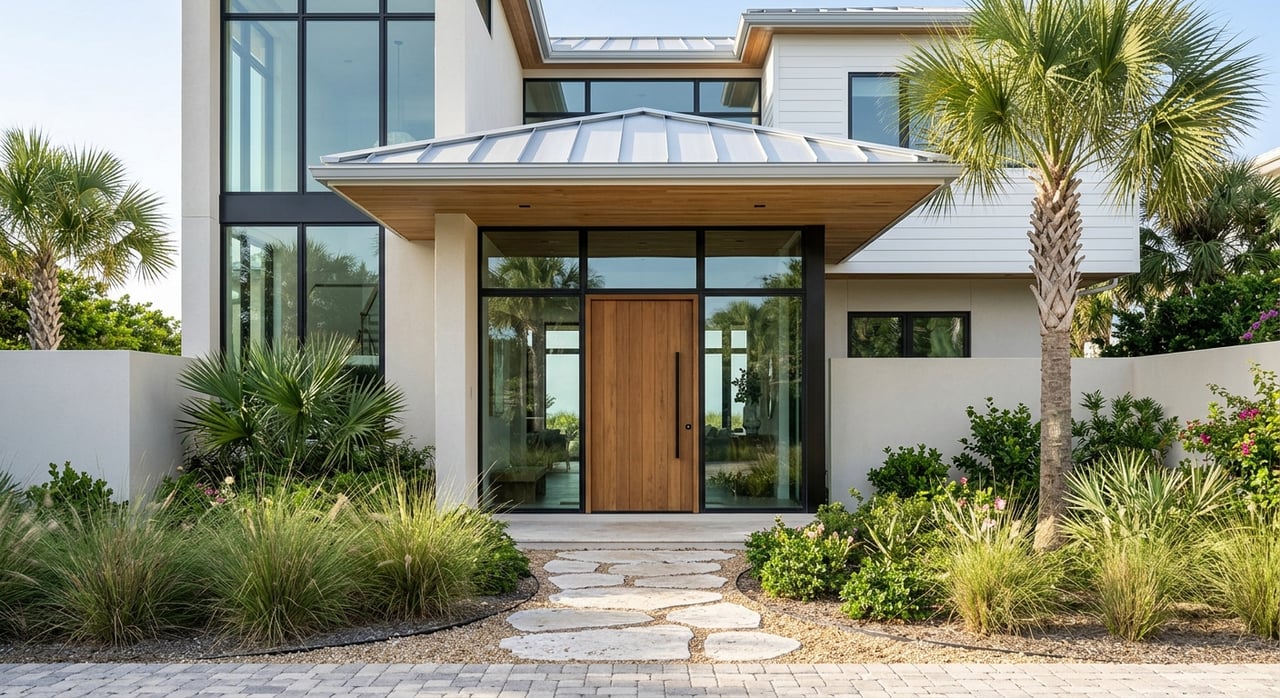
A condo often appeals to buyers who want a simpler day-to-day ownership experience. In Florida, condominium associations are generally responsible for maintaining common elements and handling repairs or replacement of the condominium property they are required to maintain.
That structure can reduce the amount of hands-on exterior upkeep that falls on you. If your priority is lock-and-leave convenience, building amenities, and proximity to urban activity, a condo can be a strong fit.
Downtown Tampa also supports that lifestyle well. The Tampa Riverwalk is a 2.6-mile path connecting downtown attractions, and the TECO Line Streetcar is a 2.7-mile free-fare transit system connecting Downtown, the Channel District, and Ybor City.
Parking and mobility are part of the equation too. Downtown offers more than 32,000 parking spaces, along with HART bus service, bike options, walking routes, and DASH rides for $2 per person.
Condo lifestyle advantages
- Lower direct responsibility for many shared building maintenance items
- Strong access to walkable dining, retail, offices, and entertainment
- Easier lock-and-leave living for second-home buyers or frequent travelers
- Access to transit options like the TECO Line Streetcar
- Urban setting that can reduce dependence on a car for some daily trips
Why Buyers Choose a Nearby Neighborhood Home
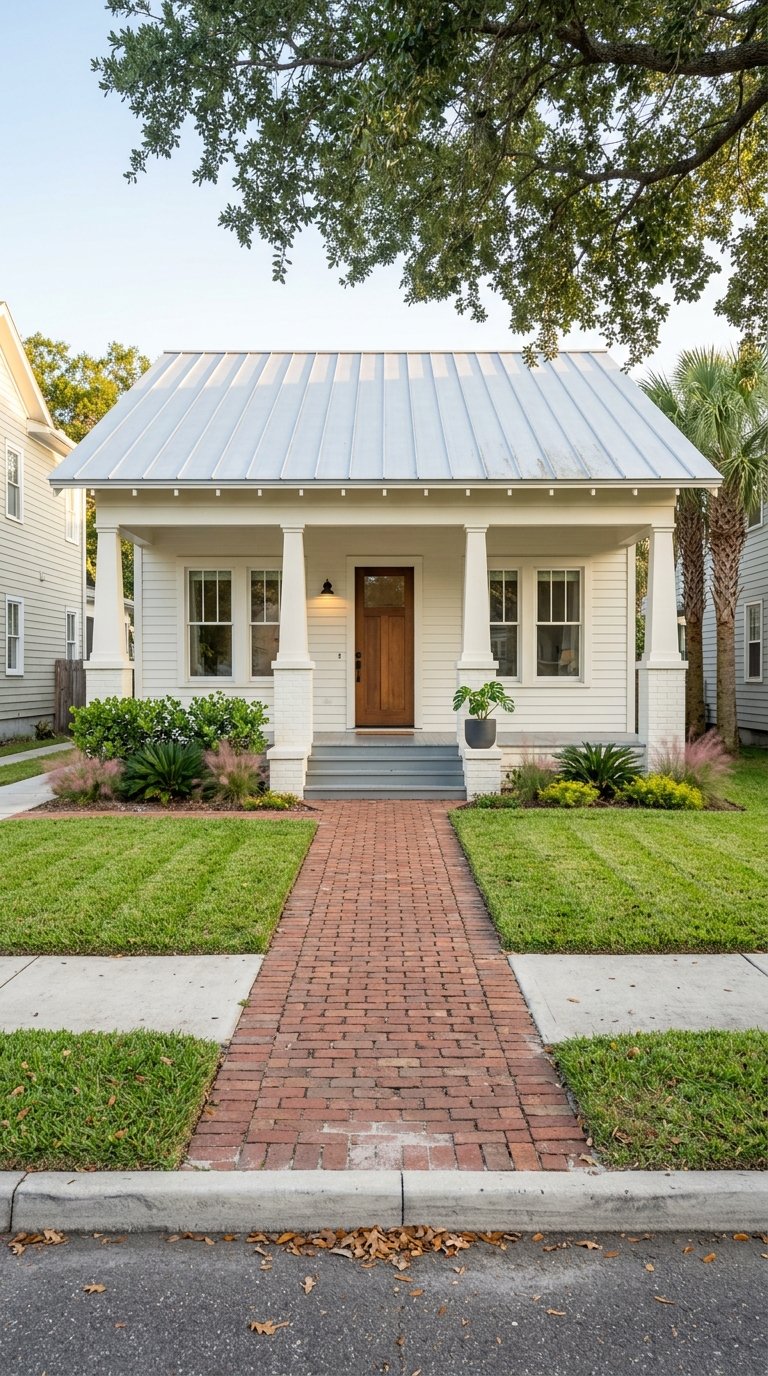
If you want more privacy, more direct control, or a more traditional residential setting, a nearby neighborhood home may feel like the better match. You can still stay close to Downtown while gaining a different pace and property style.
Nearby options include Historic Hyde Park, North Hyde Park, Davis Islands, and Tampa Heights. The City of Tampa and Tampa Downtown Partnership describe these areas as close to the urban core but with more residential character, including historic homes, parks, water views, local retail, and a more intimate, homey feel in some areas.
A detached home usually gives you more control over the building and yard. That can be a major advantage if you want more flexibility in how you use and maintain your property.
Still, more control does not always mean no rules. Some neighborhood homes may be subject to HOA standards, historic district guidelines, or overlay requirements that affect exterior changes, appearance, or landscaping.
Neighborhood-home advantages
- More direct control over your home and outdoor space
- A more residential setting while staying close to Downtown
- Potentially more privacy than a high-rise building
- Different architectural styles and lot configurations
- No condo project-level reserve structure in the usual detached-home model
Maintenance and Ownership Differences
The biggest practical difference between a condo and a neighborhood home is often maintenance responsibility. That issue affects not only your time, but also your budget and risk tolerance.
With a condo, the association usually handles common elements and certain major shared components. In exchange, you pay assessments when they come due, and the association can enforce payment through tools such as liens, fines, and suspensions.
That means the monthly condo fee is only part of the real ownership picture. You also need to understand what the fee covers, how much goes toward reserves, and whether the building may need additional funding.
With a neighborhood home, you typically avoid the condo association structure for major building systems. However, you become more directly responsible for the roof, exterior, landscaping, and larger capital repairs.
Cost Questions to Ask Before You Buy
Whether you buy a condo or a home near Downtown, the smartest comparisons happen when you look at the full monthly carrying cost. A lower sticker price does not always mean lower ownership cost.
For condos, your total monthly picture may include:
- Mortgage payment
- Property taxes
- Insurance
- Condo or HOA fees
- Parking costs, if separate
- Possible special assessments
For homes, your monthly picture may include:
- Mortgage payment
- Property taxes
- Insurance
- HOA dues, if applicable
- Lawn or exterior maintenance
- Repair reserves for items like the roof or mechanical systems
Compare the real cost, not just the price
A condo can feel more predictable because some maintenance is bundled into association costs. A home can offer more control, but you may need to budget more actively for repairs and exterior upkeep.
The right question is not which option is cheaper in theory. It is which ownership model fits your budget, lifestyle, and comfort with future expenses.
Florida Condo Rules Matter in Tampa
In Florida, condo due diligence has become more important, especially in residential condominium buildings that are three habitable stories or higher. The Florida Department of Business and Professional Regulation explains that structural integrity reserve studies, or SIRS, are budget-planning tools focused on major structural components and reserve funding.
DBPR also treats milestone inspections and SIRS as separate requirements, although they may sometimes be completed together. For many older unit-owner-controlled associations, key deadlines extend through the end of 2025, with an outer deadline through the end of 2026 when paired with a milestone inspection.
For you as a buyer, this matters because reserve health affects real ownership costs. If a study shows reserves are not sufficient, an association may need to levy additional assessments or use financing.
Documents condo buyers should review
Florida law requires condo sellers to provide buyers with important documents. These can include:
- Declaration of condominium
- Bylaws
- Rules and regulations
- Financial statements
- Latest milestone inspection summary, when applicable
- Structural integrity reserve study, when applicable
Florida law also gives buyers cancellation rights if required documents are not delivered. In practice, that makes document review a core part of your condo decision, not a formality.
Financing and Resale Considerations
Not every condo building is equally easy to finance. Fannie Mae notes that condo projects with critical repairs, inadequate insurance, significant litigation, or hotel or short-term-rental characteristics can become ineligible for conventional financing.
That issue matters even if you are approved today. If a project does not meet financing requirements, it may narrow the future buyer pool when you decide to sell.
A detached home usually avoids condo project-level financing review. That does not automatically make it a better investment, but it does remove one building-wide variable from the resale equation.
Lifestyle Questions to Ask on Tours
When you tour Downtown Tampa condos or nearby homes, it helps to ask questions that reveal how the property will function in real life. Good tours are not just about finishes and views. They are about ownership clarity.
Ask these condo questions
- What does the monthly fee cover?
- How much of the budget goes to operations versus reserves?
- Are there pending or likely special assessments?
- Are recent inspection summaries and reserve studies available?
- Are there restrictions on rentals, pets, parking, storage, or renovations?
- What insurance is handled by the association versus the unit owner?
Ask these neighborhood-home questions
- Is there an HOA or board that governs the property?
- Are there historic district or overlay rules affecting exterior changes?
- What are the expected maintenance needs for the roof, exterior, and landscaping?
- What is the realistic all-in monthly ownership cost?
For Florida condos in particular, the contract legend warns that homeowners insurance does not cover flooding and advises buyers to discuss separate flood coverage with an insurance agent. That is especially relevant in river-adjacent or coastal parts of Tampa.
Which Option Fits Your Lifestyle?
If you want convenience, amenities, and a walkable urban routine, a Downtown Tampa condo may be the right move. This path often works well for buyers who value lock-and-leave ease, building services, and close access to the Riverwalk, transit, and downtown destinations.
If you want more privacy, more control, and a more residential setting near the urban core, a neighborhood home may be the better fit. This option often suits buyers who are comfortable taking on more direct property responsibility in exchange for space and flexibility.
Neither choice is universally better. The best fit depends on how you want to live, what level of upkeep you want to manage, and how carefully the numbers work for your long-term plans.
If you are weighing Downtown Tampa condos against nearby neighborhood homes, Karen Greco Branded Site - offers the high-touch guidance and local insight to help you compare options with confidence.
FAQs
What is the main difference between a Downtown Tampa condo and a nearby neighborhood home?
- A Downtown Tampa condo typically offers a more convenience-focused, amenity-driven lifestyle with shared building maintenance, while a nearby neighborhood home usually offers more privacy, control, and direct responsibility for upkeep.
What neighborhoods near Downtown Tampa should homebuyers consider besides the urban core?
- Buyers often compare Downtown condos with homes in Historic Hyde Park, North Hyde Park, Davis Islands, and Tampa Heights because these areas are close to Downtown but offer a more residential setting.
What should buyers review before purchasing a condo in Downtown Tampa?
- Buyers should review the condo declaration, bylaws, rules, financial statements, and, when applicable, the latest milestone inspection summary and structural integrity reserve study.
Why do reserve studies matter when buying a Florida condo?
- Reserve studies matter because they help show whether the association is planning and saving for major structural components, and insufficient reserves may lead to additional assessments or financing needs.
Can condo financing affect future resale in Downtown Tampa?
- Yes. If a condo project has issues such as critical repairs, inadequate insurance, significant litigation, or certain rental characteristics, it may be less attractive to buyers who need conventional financing.
Do nearby Tampa neighborhood homes always have fewer rules than condos?
- No. While detached homes usually offer more direct control, some may still be subject to HOA rules, historic district standards, or overlay requirements that affect exterior changes or property appearance.
What transportation options support Downtown Tampa condo living?
- Downtown Tampa living is supported by the 2.6-mile Riverwalk, the free-fare 2.7-mile TECO Line Streetcar, HART bus service, bike routes, walking access, DASH rides, and extensive parking availability.