
If you are thinking about selling a Davis Islands waterfront home quietly, preparation matters more than publicity. You want to protect your privacy, limit disruption, and still give qualified buyers enough confidence to make a strong offer. The good news is that a discreet sale can work well in this market when the home is ready, the paperwork is organized, and the launch is handled with care. Let’s dive in.
Why Davis Islands quiet sales require more prep
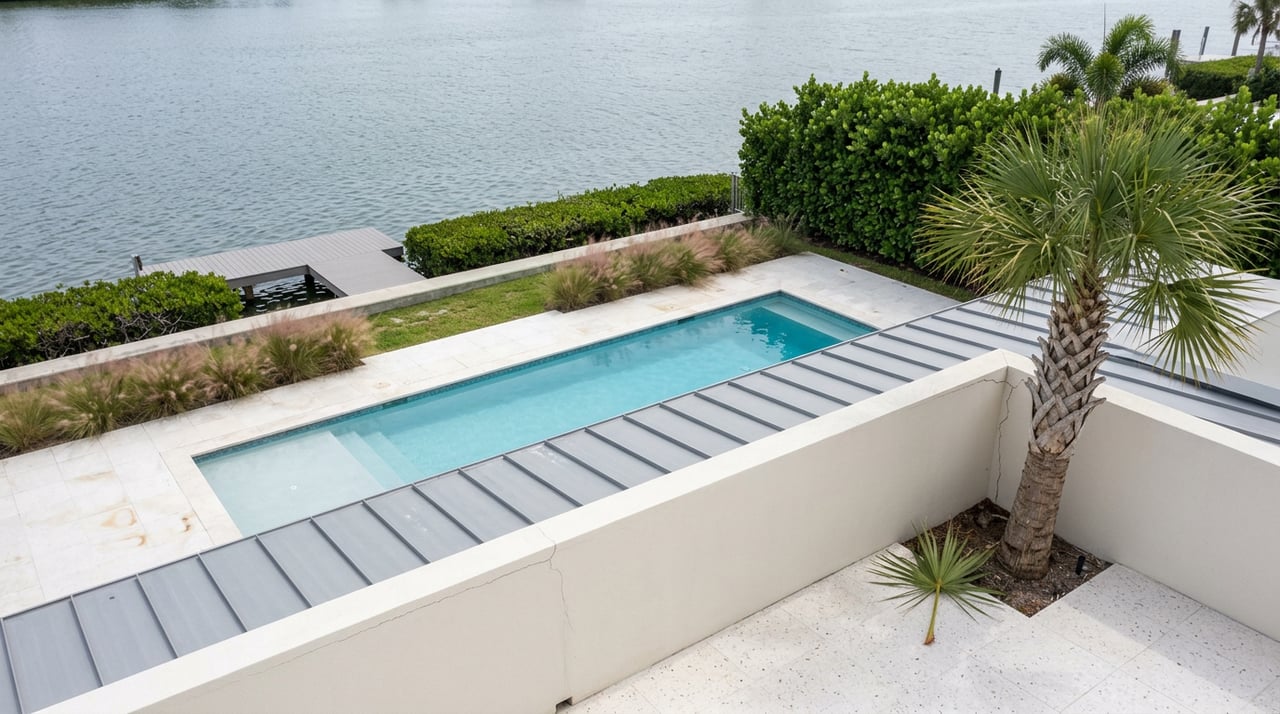
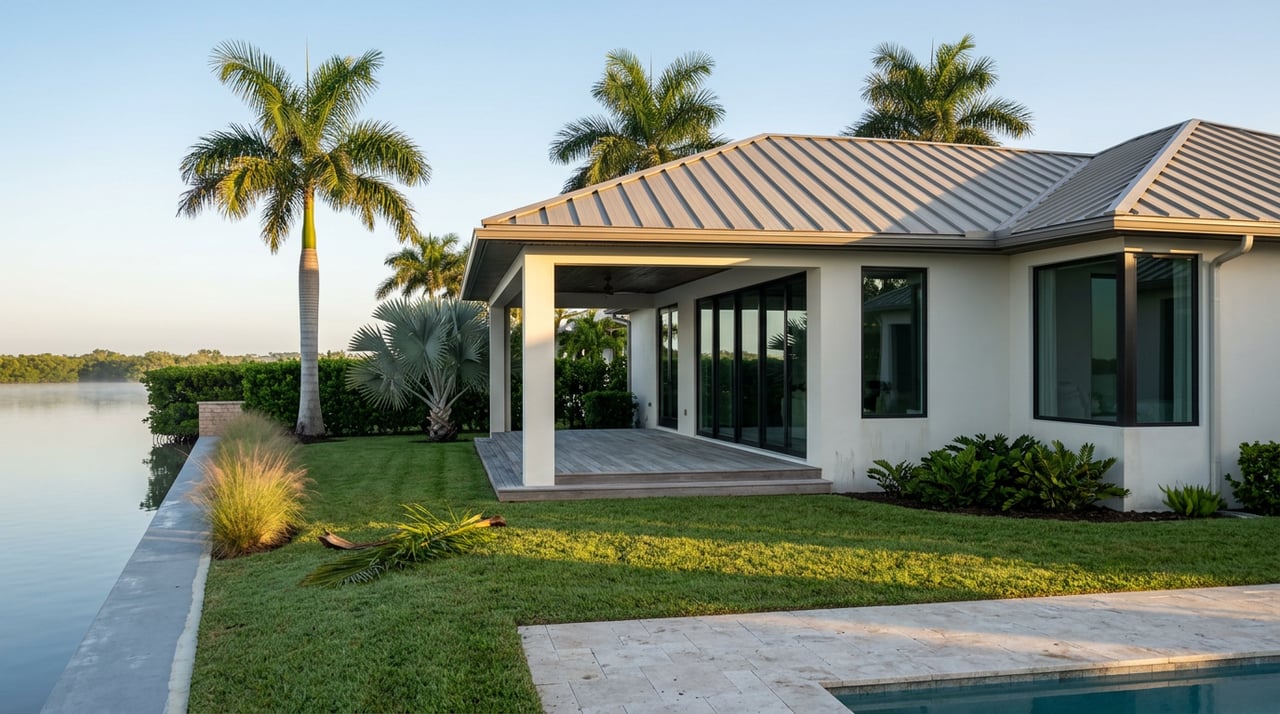
Davis Islands is a distinct Tampa neighborhood with a waterfront lifestyle that shapes buyer expectations from the start. The area includes residential and retail uses, parks, water views, the Davis Islands Yacht Club, Peter O. Knight Airport, and the Marjorie Park Municipal Yacht Basin. For sellers, that means buyers are not just evaluating a house. They are also evaluating boating access, storm readiness, and the overall waterfront experience.
A quiet sale can be especially appealing here because privacy often matters to waterfront owners and high-net-worth buyers. At the same time, discretion should never mean vagueness. The more clearly you can answer questions about the home’s condition, flood exposure, and marine features, the easier it is to protect both your price and your privacy.
Start with the issues buyers will scrutinize
On a Davis Islands waterfront property, buyers usually focus on a few core areas right away. They want to understand flood exposure, elevation, seawall condition, dock access, and insurance implications. Even buyers who love the home may hesitate if these answers are incomplete or delayed.
That is why the best pre-list work often removes uncertainty before the first private showing. Instead of reacting to buyer concerns later, you can prepare a clean, credible file that supports the value of the home from day one.
Review the home’s storm-readiness
For a waterfront sale, visible condition still matters, but practical condition matters more. Before launch, review the roof, exterior envelope, windows, doors, shutters, drainage, landscaping, irrigation, lighting, HVAC, pool systems, and any generator or backup-power components.
If you plan to upgrade shutters or replace windows or doors, do not treat those projects as simple cosmetic improvements. City of Tampa guidance shows that product approvals and, in some cases, signed and sealed plans may be part of the permit process. If work is unfinished or undocumented, it can create delays during buyer review.
Put dock and seawall records together early
On Davis Islands, marine structures can carry as much weight as interior finishes. A buyer may love the kitchen and still pause if the seawall history is unclear or the dock paperwork is missing. That is why these records should be collected before the property is shown, not after an interested buyer starts asking questions.
The City of Tampa states that seawall and dock permits are issued to ensure compliance with Flood Damage Control requirements for a velocity zone. Depending on the work, the submittal may require a signed and sealed survey, wall-section details, engineer or architect certification, and approval from the Tampa Port Authority or Hillsborough County EPC before submittal. If your home has had marine-structure work, complete records can make a major difference in buyer confidence.
Build a clean flood and insurance file
Flood documentation is one of the most important parts of a quiet waterfront sale. FEMA notes that high-risk coastal flood areas can include Zone AE and Zone VE, with VE identified as a coastal high-hazard area where wave action can cause extensive damage. FEMA also notes there is no true no-risk zone, even for properties that are not directly on the water.
For a seller, that means buyers will likely want more than a broad answer about flood risk. They will want details they can actually use in underwriting, inspections, and insurance conversations. If you can provide those details early, you make it easier for serious buyers to move forward with fewer surprises.
Gather the right documents
Before going to market, organize a file that may include:
- Any elevation certificate
- Flood or wind mitigation reports
- Insurance declarations
- Storm-repair invoices
- Documentation of prior remediation
- Records tied to major exterior or waterfront repairs
FEMA also advises homeowners to look up flood maps and contact the local floodplain administrator before making changes to a home. If improvements were made over time, clear documentation helps show what was done and whether it was properly addressed.
Confirm ownership and signing authority
Quiet sales often involve estate properties, trusts, partnerships, or remote owners. In those situations, one of the biggest avoidable problems is waiting too long to confirm who actually has authority to sell. That question should be resolved before any marketing begins.
Hillsborough County public records include deeds, liens, probate and estate records, and property records. At the same time, the county property appraiser warns that GIS or property-search data should not be used in place of a title search or survey and may not reflect the most current ownership or tax status. In practice, that means your document packet should be based on verified records, not assumptions.
Florida’s conveyance statute requires real-property transfers to be in writing and signed in the presence of two subscribing witnesses. If the property is held in trust or estate form, confirm the structure and signature requirements early. This is especially important for executors, trustees, and owners managing a sale from out of town.
Protect privacy without weakening price
A quiet sale should be controlled, not hidden. Florida brokerage law allows for confidentiality when representation is structured correctly. Under section 475.278, a transaction broker owes limited confidentiality, and a single-agent relationship includes confidentiality as a core duty.
The law also allows certain information to remain confidential, such as whether you would accept less than the asking price or your motivation for selling. At the same time, known facts that materially affect the value of residential real property and are not readily observable still must be disclosed. That balance is what makes a well-run quiet sale effective.
What a quiet-sale strategy often includes
For a high-value Davis Islands waterfront home, a discreet launch may include:
- Invitation-only showings
- Broker-to-broker outreach
- Vetted buyer lists
- Proof-of-funds screening
- Tighter control over photos and public remarks
- A staged release of documentation to qualified buyers
The point is not to create mystery. The point is to reduce unnecessary traffic, protect your routine, and focus attention on buyers who can actually perform.
Use disclosure to support the sale
Many sellers worry that a quiet sale means sharing less. In reality, serious buyers often make stronger decisions when they receive better information. A complete disclosure packet can help prevent late-stage renegotiation because key facts are addressed up front.
Florida law now requires a flood disclosure to be completed and delivered at or before contract execution. The form asks whether the seller knows about prior flooding, filed flood-related claims, or FEMA or other flood assistance. Florida law also requires disclosure of known defects in sanitary sewer laterals before contract execution.
For a waterfront seller, complete disclosure is not just about compliance. It is also a pricing tool. Buyers who can quickly evaluate the real condition and history of the property are in a better position to write with conviction.
Choose your timing carefully
Timing matters on waterfront homes more than many sellers expect. NOAA states that the Atlantic hurricane season runs from June 1 through November 30. If your preparation is incomplete during that window, weather concerns, repair schedules, and insurance questions can quickly interrupt momentum.
That does not mean you cannot sell during hurricane season. It means a quiet-sale launch is usually stronger when storm-readiness work is already done and your records are complete. Buyers tend to respond better when the home feels fully prepared, not mid-process.
Allow enough lead time for waterfront work
If dock or seawall work is needed, give yourself more time than you think. City requirements may involve signed plans, engineering certification, and outside approvals. A simple assumption that a quick repair will solve the issue can lead to unnecessary delays.
In many cases, it is better to complete the work and close-out paperwork first, then launch with confidence. Clean records and finished improvements usually support a smoother, more private transaction than promises about future repairs.
A practical quiet-sale checklist
If you want to prepare your Davis Islands waterfront home for a discreet sale, focus on these steps first:
- Review the roof, exterior systems, windows, doors, shutters, drainage, HVAC, pool equipment, and backup-power components.
- Gather dock, seawall, survey, permit, and engineer documentation.
- Organize flood, insurance, mitigation, storm-repair, and remediation records.
- Verify ownership structure and confirm who has authority to sign.
- Pull together a clean document packet for qualified buyers.
- Decide how public or private the marketing should be.
- Prepare required disclosures before contract stage pressure begins.
- Time the launch around completed repairs and storm-readiness.
This kind of front-loaded preparation is what makes a quiet sale feel polished instead of risky. It helps buyers move faster, reduces avoidable friction, and gives you more control over the process.
Davis Islands waterfront homes attract buyers who are often decisive, but they are also careful. They expect strong presentation, clear documentation, and a professional process that respects privacy without skipping facts. When those pieces come together, a discreet launch can be every bit as effective as a broad public debut.
If you are preparing to sell a waterfront home on Davis Islands and want a private, concierge-level strategy built around timing, documentation, and qualified buyer outreach, connect with Karen Greco Branded Site - for discreet guidance tailored to your property.
FAQs
What does a quiet sale mean for a Davis Islands waterfront home?
- A quiet sale usually means a more controlled marketing approach with privacy-minded showings, vetted buyer outreach, and limited public exposure, while still providing serious buyers with the information they need.
What documents should you gather before selling a Davis Islands waterfront property?
- Start with elevation certificates, flood or wind mitigation reports, insurance declarations, storm-repair invoices, remediation records, and any dock, seawall, survey, permit, or engineer documentation tied to the property.
Why do Davis Islands waterfront buyers care so much about seawalls and docks?
- These features affect usability, maintenance, permitting, and buyer confidence, and City of Tampa requirements for marine structures can involve surveys, engineering details, certifications, and outside approvals.
When should you prepare flood disclosures for a Florida waterfront home sale?
- Florida law requires the flood disclosure to be completed and delivered at or before contract execution, but preparing it earlier helps qualified buyers review the property more efficiently.
How does timing affect a quiet sale for a Tampa waterfront home?
- Timing matters because storm season, repair schedules, and insurance questions can affect buyer confidence, so many sellers benefit from launching only after storm-readiness work and documentation are complete.