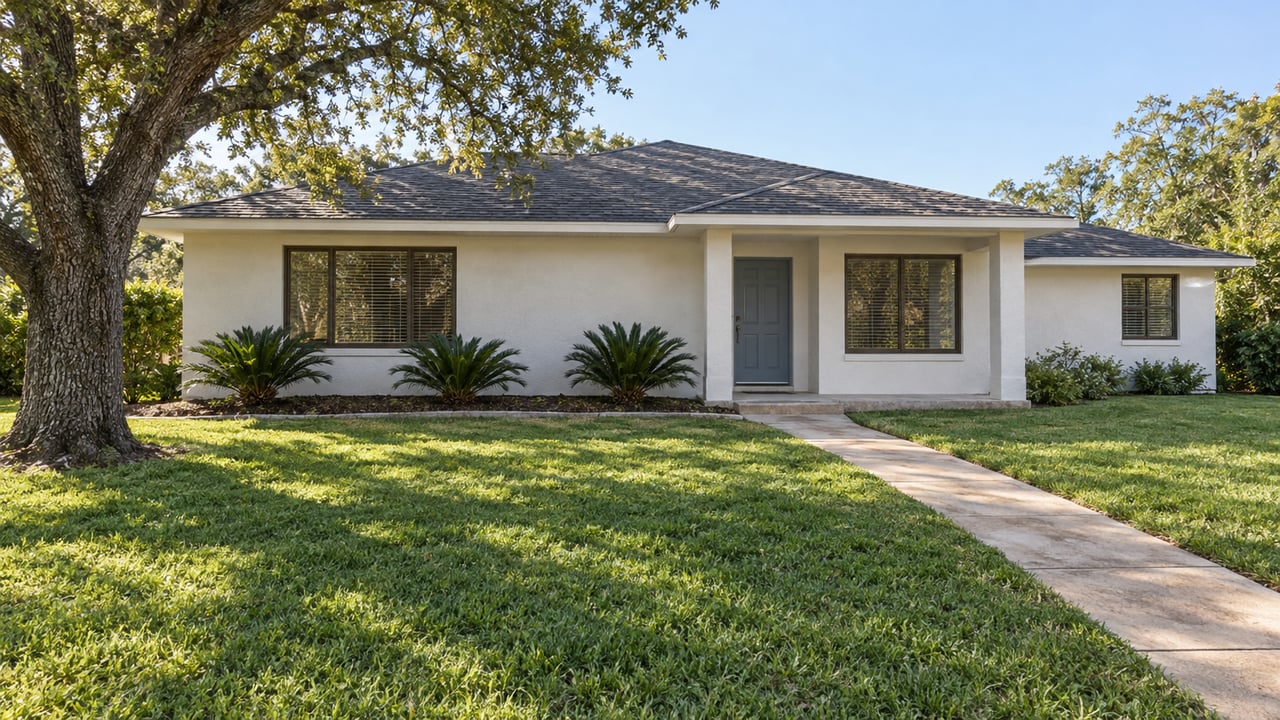
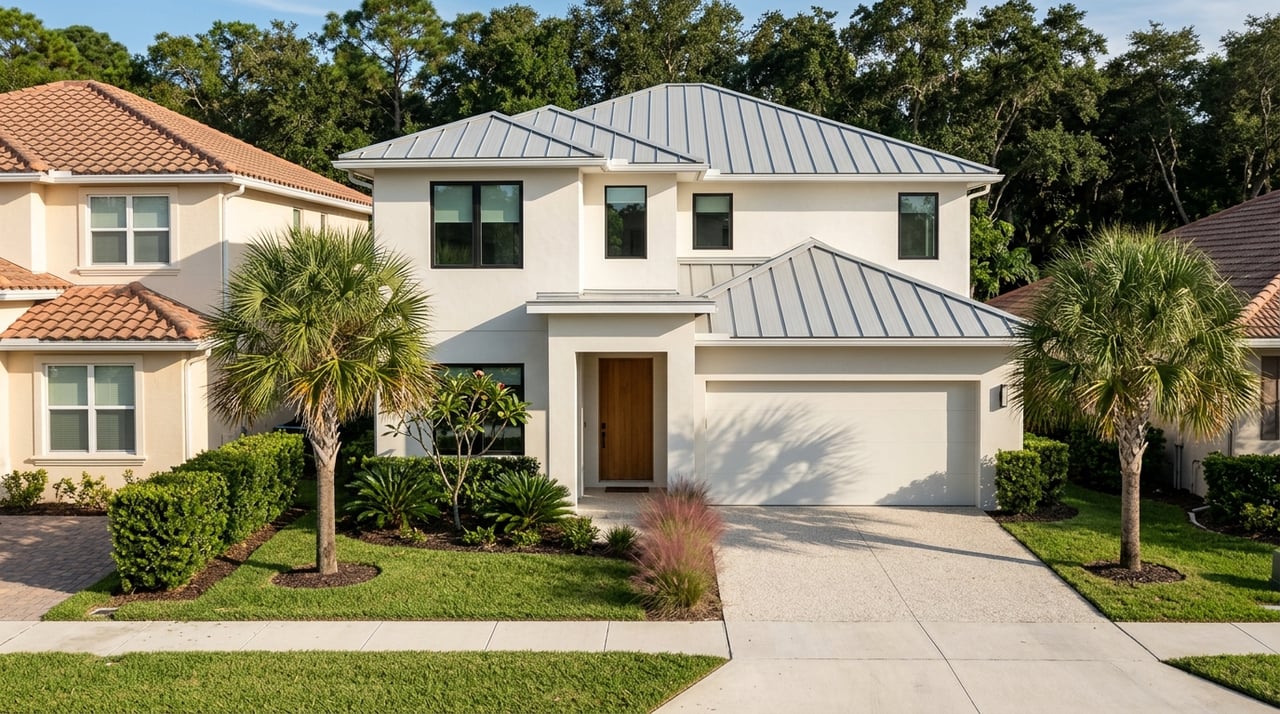
If you are deciding between new construction and resale in Lakewood Ranch, you are not just choosing a house. You are choosing a timeline, a fee structure, a level of customization, and the amount of uncertainty you are willing to manage. That can feel like a lot, especially if you are relocating or trying to balance lifestyle goals with smart budgeting. The good news is that once you understand how Lakewood Ranch works, the decision becomes much clearer. Let’s dive in.
Why this choice is different in Lakewood Ranch
Lakewood Ranch is a 35,000-plus-acre master-planned community spanning Manatee and Sarasota counties. It includes 36 villages, more than 150 miles of trails, and 19 actively selling new-construction villages, with two villages designed exclusively for homeowners 55 and better. That scale gives you a wide range of options, but it also means the right fit is rarely just about whether a home is new or resale.
In this market, you need to compare the home, the village, and the recurring costs together. Village amenities are usually specific to that village and supported by HOA fees, while public parks and trails are community-wide. A lower purchase price can look different once you factor in HOA fees, district assessments, maintenance needs, and how quickly you need to move.
What new construction offers
New construction in Lakewood Ranch often appeals to buyers who want a home that reflects current needs and preferences. Depending on the stage of construction, you may be able to choose finishes such as flooring, cabinets, countertops, and lighting. If personalization matters to you, that flexibility can be a major advantage.
Lakewood Ranch also offers a broad range of new-construction product types. Current community information shows options that include condos, townhomes, attached villas, and single-family homes, with entry points starting from the high $200s for some condos and townhomes, the high $300s for attached villas, and the $400s for single-family homes. In some villages, there are also move-in-ready homes for buyers who want newer construction without a full build timeline.
Customization and modern layouts
One of the biggest reasons buyers choose new construction is the ability to align the home with how they live now. Open layouts, newer systems, and current finishes can reduce the need for immediate updates after closing. Even when you are not building fully from scratch, an early-phase home may still allow meaningful design selections.
That said, your choices can narrow as construction progresses. If you want the most control, timing matters. The earlier you enter the process, the more likely you are to have finish and layout choices available.
Move-in-ready new homes
Not every new-construction purchase means waiting a year or longer. Some villages offer spec homes or move-in-ready inventory, which can shorten the timeline significantly. In places like Star Farms, current offerings include townhomes, attached villas, and single-family homes, along with HOA fees in the $250 to $360 per month range and maintenance included.
For buyers who want a newer home but need a faster move, this can be a useful middle ground. You may give up some customization, but you gain more certainty about timing and the finished product.
The tradeoffs with new construction
The biggest tradeoff is usually time. Custom-home design can take three to six months, and construction often takes at least 12 to 16 months after that. If you are on a firm relocation schedule or want to settle in quickly, that timeline may be too long.
Budgeting also works differently with a new build. Builders may require an upfront deposit on homes that are not yet completed, and you do not have to use the builder’s affiliated lender. That makes it important to review deposit terms carefully and compare financing options rather than assuming the builder’s preferred path is your only option.
New does not mean flawless
A common misconception is that a brand-new home does not need the same level of due diligence as a resale home. In reality, newly built homes still benefit from oversight during the construction process. Phase inspections are commonly recommended at the foundation stage, before drywall, and again at final punch-out.
That matters because a new home can still have defects, incomplete work, or items that need correction before closing. A clean finish and fresh paint do not replace a careful review.
Builder warranties have limits
Most new homes come with a builder warranty, but the coverage is not unlimited. Common examples include one-year workmanship coverage, two-year systems coverage, and up to 10 years for major structural defects. Those timeframes can be helpful, but they do not replace inspections or careful contract review.
The key point is simple: a warranty is a layer of protection, not a substitute for due diligence. If you are buying new construction in Lakewood Ranch, you still want to understand exactly what is covered, for how long, and what steps are required to make a claim.
What resale homes offer
Resale homes appeal to buyers who want to see exactly what they are buying. The home already exists, so the transaction usually moves around financing, inspections, negotiation, and closing rather than a long build cycle. If certainty is a top priority, resale can feel more straightforward.
You also get a clearer sense of the finished environment from day one. You can evaluate the lot, the natural light, the floor plan, and the condition of the home as it stands today. That can be reassuring if you do not want to make decisions from plans, samples, or a construction schedule.
Faster timing and clearer expectations
For many buyers, the biggest resale advantage is speed. If the home is available and your financing is in place, the path to closing is often much shorter than a custom build. That can make resale the better fit if you have a lease ending, a sale deadline, or a planned move tied to a specific date.
Resale also gives you the ability to negotiate based on known condition. You are not trying to predict what the home will look like months from now. You can inspect what is there and decide whether the tradeoffs make sense.
The tradeoffs with resale
The biggest variable with resale is condition. Unlike a new home, a resale property comes with the seller’s maintenance history, wear and tear, and any issues that inspections uncover. Some homes may be beautifully maintained, while others may need repairs or updates sooner than expected.
Before you commit, it is wise to ask whether the property has been flooded or damaged in the past and to consider whether insurance is available and affordable. Those questions are especially important when you are comparing an older resale home to a new-construction alternative with newer systems and materials.
Budgeting beyond the purchase price
With resale, it is easy to focus on the contract price and overlook ongoing costs. Your real monthly budget should include mortgage principal and interest, property taxes, insurance, HOA fees, utilities, maintenance, and repairs. In Lakewood Ranch, you also need to account for Stewardship District assessments.
Some buyers also explore a home warranty service contract for a resale purchase, but that is separate from a builder warranty and usually costs extra. It can be part of your planning, but it should not replace a strong inspection strategy.
Lakewood Ranch fees to compare carefully
Whether you buy new construction or resale, fees are a major part of the decision in Lakewood Ranch. Every village has HOA fees, typically ranging from about $100 to $800 per month, with many falling between $200 and $300. What those fees cover varies by village, and may include amenities, common-area maintenance, and some lawn care or irrigation.
There is also a separate Stewardship District fee. This district helps plan, fund, build, and maintain infrastructure, amenities, and natural features, and the assessments are collected on the county tax bill in Manatee and Sarasota counties. Capital bond assessments are fixed and cannot increase, while operations and maintenance assessments can vary annually.
County location matters too
Tax structure can vary because Lakewood Ranch spans both Manatee and Sarasota counties. Villages south of University Parkway are generally in Sarasota County, while villages north are generally in Manatee County. That is why it is important to verify the specific parcel rather than assuming every Lakewood Ranch property carries the same tax picture.
Some villages may also involve separate golf or club memberships that are not part of standard HOA coverage. If you are comparing homes in different villages, make sure you are comparing all recurring costs on the same basis.
Which option fits your goals?
For many buyers, the decision comes down to four questions:
- Do you want to customize finishes and layout, or see the exact finished home before you commit?
- Do you need to move quickly, or can you wait through design and construction?
- Are you comfortable managing construction timing and builder processes, or would you rather focus on inspection and closing?
- How do the HOA fees, district assessments, and maintenance expectations compare across your options?
If you want personalization, current finishes, and potentially lower near-term repair needs, new construction may be the better fit. If you value speed, clarity, and the ability to evaluate a specific finished home right now, resale may make more sense.
In practice, the strongest decision usually comes from looking beyond the label. In Lakewood Ranch, a great resale home in the right village can outperform a new home in the wrong fee structure, and a move-in-ready new home can be a smarter solution than waiting on a long custom timeline. The best choice is the one that fits your timeline, budget, and lifestyle with the fewest surprises.
If you want help comparing villages, fee structures, and available homes in Lakewood Ranch, the team at Karen Greco Branded Site - offers high-touch guidance designed to make the process clear, efficient, and well-managed from start to finish.
FAQs
How long does new construction take in Lakewood Ranch?
- Custom builds often take three to six months for design and at least 12 to 16 months for construction, while spec or move-in-ready homes can shorten the timeline.
Do you still need an inspection on a new-construction home in Lakewood Ranch?
- Yes. Phase inspections during construction and a final walkthrough are commonly recommended because new homes can still have defects or incomplete work.
What monthly fees should buyers budget for in Lakewood Ranch?
- You should plan for mortgage principal and interest, property taxes, insurance, HOA fees, utilities, maintenance, repairs, and Lakewood Ranch Stewardship District assessments.
Are Lakewood Ranch amenities shared across every village?
- No. Public parks and trails are community-wide, but most amenities are village-specific and supported by that village’s HOA fees.
Is a builder warranty enough protection for a new home in Lakewood Ranch?
- Not always. Builder warranties are limited by component and time period, so they should be viewed as one part of your protection, not a replacement for inspections and contract review.
Is resale or new construction better for a faster move in Lakewood Ranch?
- Resale is often faster because the home already exists, but move-in-ready new homes can also be a good option if you want newer construction without a long build timeline.